
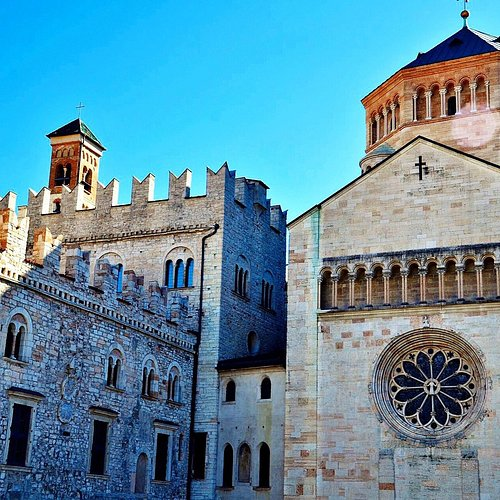
The annual fair Do the Right Thing in Trento, known in Italian as Fa’ la Cosa Giusta!, is more than just a marketplace or a cultural event. It represents a living, breathing commitment to promoting social responsibility, critical consumption, and sustainable living practices among citizens, businesses, and communities. By bringing together producers, cooperatives, associations, and environmental advocates, the fair creates a space where ethical choices are celebrated and disseminated widely. For more details about the event, visit https://falacosagiustatrento.org/, the official platform for Fa’ la Cosa Giusta! Trento and its programs.
The fair takes place annually, typically in October at Trento Expo, and is a cornerstone event in the Trentino region focused on conscious consumption and sustainable lifestyles. Its long-standing history and connection to similar fairs across Italy serve to amplify its impact and reach.
The Foundation of Social Responsibility at the Fair
At its heart, the Do the Right Thing Fair promotes the idea that social responsibility is not an abstract concept but a practical approach to everyday choices. Social responsibility refers to the ethical obligation individuals and organizations have to act in ways that benefit society and the environment. These actions can range from choosing sustainable products to supporting community-based initiatives and advocating for policies that reduce inequalities.
In Trento, the fair operationalizes these ideals by focusing on critical consumption: the practice of making purchasing decisions that consider the social, environmental, and economic implications of products and services. This encourages consumers to question traditional market practices and to favor alternatives that uphold ethical standards, such as fair trade, organic agriculture, and eco-friendly manufacturing.
Central to the fair’s mission is the belief that every choice matters. By showcasing products and services that align with principles of sustainability and ethics, the event empowers attendees to better understand how their daily decisions can contribute to broader social and environmental goals.
Exhibitors and Their Role in Promoting Accountability
One of the defining features of the fair is its diverse array of exhibitors. Organic farmers, fair-trade shops, cooperatives, and social enterprises fill the pavilions of Trento Expo, bringing with them a wide range of products – from eco-friendly clothing and cosmetics to renewable energy technologies and organic foods. These vendors are not just selling goods; they are representing models of doing business that prioritize people and the planet over short-term profits.
This presence of ethical producers serves several purposes:
- It highlights alternatives to conventional commercial offerings that often prioritize cost over sustainability.
- It normalizes sustainable practices in the broader consumer culture by making these options visible and accessible.
- It builds trust between consumers and producers by fostering direct relationships where questions about environmental and social impacts can be discussed openly.
By creating a marketplace centered on ethical values, the fair reinforces the idea that markets can and should serve societal well‑being, not just financial gain.
Education and Engagement Through Workshops
Beyond its role as a fair, the event is also an educational platform. A core aspect of the Do the Right Thing Fair is its rich program of workshops, seminars, and interactive sessions. These activities are designed to engage both adults and children in conversations about sustainability, social justice, and community welfare.
Examples of such workshops include:
- Environmental education for children, where young participants are introduced to concepts like biodiversity and waste reduction in fun, interactive ways.
- Cooking demonstrations using local and sustainable ingredients, which teach attendees how to make choices that reduce environmental impact.
- Demonstrations on ancient seed harvesting, connecting participants to traditional agricultural practices that support biodiversity.
These educational opportunities allow participants to not only learn about social responsibility but also to see how it can be integrated into daily life in tangible ways.
Community Building and Local Impact
The fair’s influence extends beyond individuals and businesses; it fosters community bonds and local collaborations. In a region like Trentino, where local cooperation and collective action are already strong traditions, the Do the Right Thing Fair serves as a hub for reinforcing community values.
Local partnerships with organizations such as Etika, a project that combines renewable energy with solidarity initiatives, illustrate how the fair anchors broader social goals within the community. These partnerships help to:
- Support local economic systems that benefit producers and consumers alike, rather than extractive models that benefit distant shareholders.
- Empower civil society groups by giving them platforms to share their work with larger audiences.
- Strengthen civic participation by inviting residents of all ages to be active participants, rather than passive observers of sustainable transitions.
In a world where global issues often feel overwhelming, the fair offers a space where real collaboration can happen on a human scale.
Influencing Broader Conversations on Sustainability
While the fair is rooted in local action, its themes resonate with larger global conversations about sustainability and ethical responsibility. The focus on environmentally sound practices, equity, and community welfare aligns with broader frameworks of social responsibility that demand a rethinking of how economies operate. By prioritizing these values, the event contributes to:
- Public dialogue about the importance of sustainable consumption.
- Policy awareness, encouraging participants to consider how individual actions intersect with regulations and systems that shape market behaviors.
- Cultural shifts, where sustainability becomes a normative expectation rather than a niche concern.
The fair thus serves as both a microcosm and a catalyst for change, connecting local experiences to global movements.
Accessibility and Inclusivity
A crucial element of the fair’s success is its accessibility. While committed to deep conversations about ethical issues, the event remains inclusive and welcoming to a wide audience. Families, students, retirees, and professionals all find spaces where they can learn, participate, and contribute. This inclusive approach ensures that the message of social responsibility is not confined to experts or advocates but is shared broadly across different parts of society.
By engaging a wide demographic, the fair fosters a more collective understanding of responsibility – one where sustainable choices are viewed as shared values rather than isolated decisions.
The Future of Social Responsibility Through Events Like This
As environmental challenges and social inequalities become increasing focal points of public concern, events such as the Do the Right Thing Fair in Trento demonstrate the power of community action and participatory engagement. They show that promoting social responsibility is not merely about advocating for change but about creating environments where change is experienced, shared, and celebrated.
Through ethical marketplaces, educational programs, and community partnerships, the fair helps transform abstract ideals into lived practices. By doing so, it not only raises awareness but also builds capacity for individuals and groups to contribute meaningfully to a more just, sustainable, and socially responsible world.
For anyone interested in exploring these themes further or participating in this vibrant community, the event’s official hub https://falacosagiustatrento.org/ provides program details, schedules, and resources to get involved. The Do the Right Thing fair stands as a testament to what is possible when people come together around shared values of respect, sustainability, and human dignity.
Each year, as attendees and exhibitors gather in Trento, they reaffirm a simple yet profound truth: social responsibility is not a distant ideal, but a choice made in everyday life – and fairs like this make that choice visible, meaningful, and shared.