
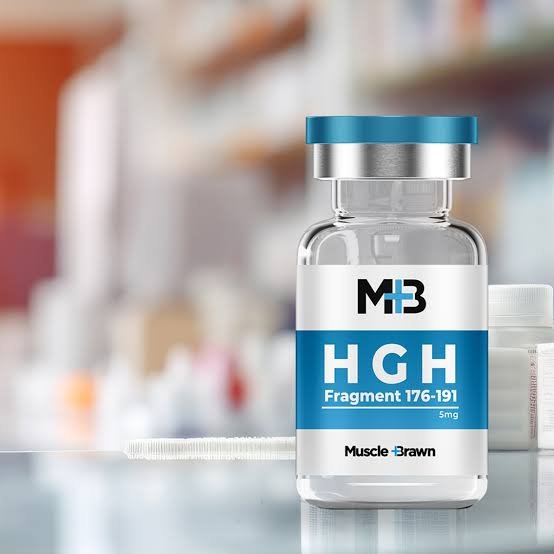
Growth hormone products can attract considerable interest among people researching hormone-related treatments, performance, body composition, and growth concerns. However, readers should approach information about any human growth hormone product carefully, particularly when considering products associated with the term GenXtropin HGH UK. Understanding the medical context, regulatory considerations, product information, and potential risks can help readers distinguish general online claims from information that should be discussed with a qualified healthcare professional.
Understanding Human Growth Hormone
Human growth hormone, commonly abbreviated as HGH or GH, is a naturally occurring hormone produced by the pituitary gland. It plays important roles in childhood growth and also contributes to metabolism, tissue maintenance, and other physiological processes in adults https://genxtropin.co.uk/.
Medical growth hormone treatment generally involves recombinant human growth hormone, such as somatropin, and is used for specific diagnosed conditions. In the UK, licensed growth hormone medicines have defined indications and are subject to prescribing and regulatory requirements. NHS information explains that growth hormone can be used for certain forms of restricted growth in children, while particular growth hormone medicines are also used for confirmed growth hormone deficiency.
This distinction is important when researching GenXtropin HGH UK. A product name appearing online does not, by itself, establish that a product has a particular UK marketing authorisation, clinical indication, quality standard, or suitability for an individual.
Checking the Product and Its Source
One of the first considerations for readers is determining exactly what product is being discussed. The name, active ingredient, concentration, formulation, manufacturer, packaging, and intended use should be clearly identifiable.
Readers researching GenXtropin HGH UK should independently verify the information provided about the product rather than relying solely on promotional descriptions. For medicines, authoritative information can include regulatory documentation, approved product information, and advice from appropriately qualified healthcare professionals.
For comparison, licensed somatropin products in the UK have formal product information describing their active ingredient, indications, dosage information, contraindications, and potential adverse effects. Genotropin, for example, is a prescription-only medicine containing somatropin, with defined therapeutic indications.
Prescription and Regulatory Considerations
UK readers should pay particular attention to the legal and regulatory status of growth hormone products. Growth hormone medicines are not equivalent to ordinary nutritional supplements.
NHS prescribing guidance indicates that somatropin prescribing can be restricted to specialist clinicians, including consultant endocrinologists or paediatricians, depending on the patient and clinical circumstances.
Government information also identifies somatotropin and somatropin among growth hormone medicines controlled under the UK’s medicines legislation.
Consequently, anyone considering a growth hormone product should establish whether it is appropriately authorised and supplied for medical use in the UK. Purchasing a product online without understanding its regulatory status can introduce questions about authenticity, storage, manufacturing standards, and appropriate medical supervision.
Why Medical Assessment Matters
Growth hormone treatment is not simply a general-purpose approach to improving physical appearance or athletic performance. Appropriate treatment begins with identifying whether a person actually has a medical condition for which growth hormone therapy is indicated.
For adults, diagnosing growth hormone deficiency can involve clinical assessment and specific diagnostic testing. NICE documentation describes diagnostic testing and the role of somatropin replacement in adults with severe growth hormone deficiency.
For children, growth patterns, medical history, physical development, laboratory investigations, and other factors may be considered. NHS guidance notes that doctors may recommend blood tests, genetic testing, and X-rays when investigating restricted growth.
Therefore, readers should avoid interpreting general descriptions of HGH as personal medical advice.
Understanding Potential Risks
Another important consideration is that growth hormone treatment can have adverse effects. The risks can depend on the individual, dose, duration of treatment, underlying condition, and other medicines being taken.
NICE documentation has identified possible adverse effects associated with somatropin treatment, including headache, joint or muscle pain, fluid retention, mild hypertension, carpal tunnel syndrome, visual problems, nausea, injection-site reactions, and other complications.
This does not mean that every person receiving prescribed growth hormone will experience these effects. Rather, it demonstrates why treatment should be medically supervised and why readers should not assume that HGH is risk-free.
People with existing medical conditions or those taking other medicines should be especially careful about using hormone-based medicines without professional guidance.
Product Quality and Authenticity
Online purchasing creates another issue: determining whether a product is genuine and has been stored appropriately.
Temperature control, packaging integrity, expiration dates, labeling, and the chain of supply can all matter for medicines. A reader researching GenXtropin HGH UK should therefore look for transparent information about the product’s identity and source.
Claims about purity, potency, laboratory testing, manufacturing, or pharmaceutical standards should ideally be supported by credible documentation rather than simply presented as marketing statements.
Consumers should also be cautious about products sold through unofficial channels, especially when the seller cannot provide appropriate documentation or when the product is promoted primarily through dramatic claims.
Separating Medical Information From Marketing
Search results about HGH can contain a mixture of medical information, personal experiences, advertising, forums, and promotional material. These sources should not automatically be treated as equivalent.
A personal testimonial may describe one individual’s experience, but it cannot establish that the same result will occur for another person. Similarly, a marketing statement may describe intended benefits without providing enough clinical context to determine whether those benefits apply to a particular medical situation.
Readers researching GenXtropin HGH UK can therefore benefit from comparing online information with established medical sources, official medicine documentation, and professional advice.
Questions Readers Can Ask Before Considering HGH
Before considering any HGH-related product, readers can ask several practical questions:
Is the product legally supplied for its intended use?
Understanding the regulatory status is an important first step, particularly in the UK.
What is the active ingredient?
The exact active substance and strength should be clearly identified. Different growth hormone medicines can have different formulations and approved uses.
Is there a genuine medical indication?
A healthcare professional can determine whether symptoms and test results support a diagnosis for which growth hormone therapy may be appropriate.
How should treatment be monitored?
Medical growth hormone therapy can require follow-up assessments and adjustments. Appropriate monitoring helps clinicians evaluate effectiveness and safety.
What are the potential interactions and contraindications?
A person’s existing health conditions and other medicines can affect whether a treatment is appropriate.
The Importance of Professional Guidance
Information available online can be useful for understanding terminology and preparing questions, but it should not replace individualized medical assessment. Licensed growth hormone medicines are used within specific clinical frameworks, and prescribing restrictions can apply.
For example, UK NHS prescribing information describes somatropin as restricted and associated with specialist prescribing pathways.
This reinforces an important principle for anyone researching GenXtropin HGH UK: the suitability of a growth hormone product should be determined by appropriate clinical evidence rather than by advertising claims, online testimonials, or expectations about physical results.
Final Thoughts
GenXtropin HGH UK is a search term that may lead readers toward information about human growth hormone and related products. However, responsible research requires more than reading product descriptions. Readers should consider the identity and source of a product, its regulatory status, active ingredient, intended medical use, potential risks, and the importance of professional supervision.
Growth hormone has legitimate medical applications, but those applications are specific and require appropriate diagnosis and monitoring. Official UK medical and regulatory information provides a more reliable foundation for understanding these treatments than promotional claims alone.
Anyone considering HGH should discuss the subject with a qualified healthcare professional who can evaluate their individual circumstances. Careful research and professional guidance can help readers make informed decisions about whether a particular treatment is medically appropriate.