
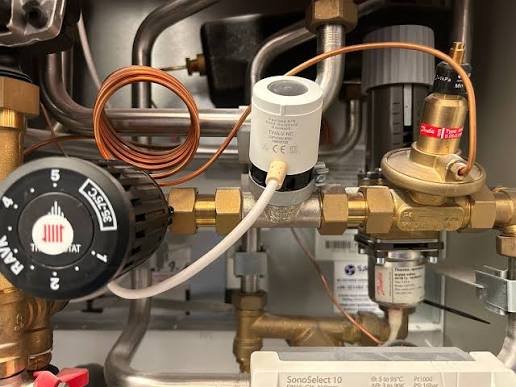
Building managers are responsible for keeping residential and commercial properties safe, comfortable, and operational. In buildings that rely on Heat Interface Units (HIUs), effective planning is particularly important because these systems help provide heating and hot water to individual properties. When an HIU develops a fault, residents can quickly experience problems with temperature, hot water availability, pressure, or overall comfort. Having a clear plan for HIU repair London services can help building managers respond efficiently and reduce unnecessary disruption.
Rather than waiting for a complete system failure, managers can take practical steps to identify risks, organise maintenance information, and prepare for professional repairs. A proactive approach makes it easier to deal with faults while supporting better property management.
Understand the Role of HIUs in the Building
Before planning for repairs, building managers should understand how HIUs operate within their properties. An HIU transfers heat from a central network to an individual apartment or building area. It can provide domestic hot water and space heating without requiring every property to have its own traditional boiler.
Because HIUs contain several components, including heat exchangers, valves, filters, sensors, pumps, and control systems, different problems can occur over time. Understanding the basic function of these components allows managers to recognise potential warning signs and communicate more effectively with engineers.
A building manager does not need to perform technical repairs personally. However, knowing what the system does and how residents use it can make planning and troubleshooting much easier.
Create a Record of HIU Equipment
One of the simplest ways to prepare for future repairs is to maintain accurate equipment records. Building managers should keep information about each HIU installed throughout the property.
Record Key Equipment Details
Useful information can include:
- HIU manufacturer and model
- Installation date
- Apartment or property location
- Previous repair history
- Replacement components used
- Maintenance dates
- Reported faults
- Engineer observations
- Warranty information where applicable
Keeping these details organised gives repair professionals valuable information when they attend a property. It can also help managers identify repeated issues and determine whether certain units require additional attention.
Monitor Early Warning Signs
Many HIU problems become noticeable before a complete breakdown occurs. Building managers should encourage residents, maintenance teams, and property staff to report unusual performance promptly.
Common warning signs may include inconsistent hot water, reduced heating performance, unusual noises, fluctuating temperatures, pressure problems, leaks, or error messages from the control system.
Respond to Small Problems Promptly
A minor issue should not automatically be treated as an emergency, but it should be recorded and assessed. Delaying an investigation can sometimes allow a developing fault to become more disruptive.
By maintaining a reporting system, building managers can distinguish isolated incidents from recurring problems. This information can be useful when arranging HIU repair London services because engineers can review the history before beginning diagnostic work.
Build a Reliable Repair Plan
Planning ahead means knowing what to do when an HIU fault occurs. Building managers should establish a straightforward process that staff can follow.
The plan can identify who receives resident reports, who determines the urgency of a fault, which qualified professionals should be contacted, and how residents are informed about repair appointments.
Establish Emergency and Routine Procedures
Not every HIU problem requires an emergency response. A complete loss of heating or hot water may require faster attention than a minor performance issue.
Creating categories for urgent, priority, and routine repairs can help managers allocate resources efficiently. Clear procedures also prevent confusion when several residents report problems at the same time.
Work With Qualified Professionals
HIU systems require appropriate technical knowledge for accurate diagnosis and repair. Building managers should identify qualified professionals before an emergency occurs instead of searching for assistance after a major breakdown.
A suitable service provider should understand HIU technology and be able to diagnose faults systematically. Managers can also ask about availability, response times, repair processes, replacement parts, and documentation.
Having established professional contacts makes it easier to arrange HIU repair London services when problems arise.
Plan for Replacement Parts
Some HIU repairs require replacement components. Delays can occur if a particular part is unavailable, discontinued, or needs to be ordered.
Building managers can reduce avoidable delays by keeping records of the components used in their systems. Where appropriate, they can discuss commonly required parts with their maintenance provider.
Identify Frequently Replaced Components
Reviewing previous repair records can reveal which components have required attention most frequently. This does not mean every building should keep a large inventory of spare parts. Instead, managers can use historical information to improve planning and understand potential supply issues.
Professional engineers can advise which components are practical to keep available and which should be sourced only when a confirmed fault occurs.
Coordinate Repairs Around Residents
Repair planning is not only about technical work. Building managers must also consider the people living or working in the property.
Residents may need advance notice before engineers enter apartments. Managers should establish suitable communication procedures covering appointment times, expected work, access requirements, and possible temporary interruptions.
Clear communication can make repair visits more efficient while helping residents understand why access or temporary service interruptions may be necessary.
Maintain a Preventive Maintenance Schedule
A preventive approach can help identify potential issues before they develop into major failures. Building managers should maintain a schedule based on manufacturer recommendations, equipment condition, property requirements, and advice from qualified professionals.
Regular inspections can help identify signs of deterioration, blocked filters, component wear, control problems, or other conditions requiring attention.
Review Maintenance Records Regularly
A maintenance schedule becomes more useful when records are reviewed rather than simply stored. Managers can look for recurring faults, repeated repairs, or units that appear to require more attention than others.
This information can support future budgeting and help managers determine where additional inspection may be appropriate.
Prepare an HIU Repair Budget
Unexpected repair costs can create challenges for property management. Building managers can reduce financial surprises by including HIU maintenance and repair requirements in annual planning.
Historical repair costs can provide a starting point for estimating future requirements. Managers should also consider the age and condition of the equipment, the number of units within the building, and the availability of replacement components.
A dedicated maintenance budget can make it easier to respond when professional HIU repair London services are required.
Keep Residents Informed
Residents are often the first people to notice an HIU problem. Providing simple guidance can encourage faster reporting.
Managers can explain which symptoms should be reported, how residents should submit maintenance requests, and what information they should provide. For example, residents can describe whether heating is completely unavailable, whether hot water is intermittent, or whether a display is showing an error.
Encourage Accurate Fault Reporting
Accurate information helps maintenance teams understand the issue before arriving. Managers can provide residents with a straightforward reporting form or digital maintenance process.
The goal is not to ask residents to diagnose the equipment. Instead, they should describe observable symptoms so qualified professionals can investigate the underlying cause.
Review Repair Performance
After a repair has been completed, building managers should record the outcome. Documentation can include the original fault, diagnostic findings, work performed, components replaced, and recommendations for future maintenance.
Reviewing completed repairs can reveal useful patterns. If similar problems occur repeatedly, managers can discuss the situation with their maintenance provider and determine whether additional investigation is appropriate.
Create a Long-Term HIU Strategy
Planning for HIU repairs should be part of a broader property maintenance strategy. Building managers can combine equipment records, resident feedback, maintenance schedules, repair histories, professional advice, and budget planning to create a structured approach.
The objective is not to eliminate every possible fault. Mechanical and heating equipment can eventually require repair. Instead, effective planning helps managers recognise problems earlier, organise professional assistance, communicate clearly, and minimise unnecessary disruption.
Conclusion
Building managers can prepare for HIU problems by taking a proactive and organised approach. Understanding the equipment, maintaining accurate records, monitoring warning signs, establishing professional contacts, planning budgets, coordinating resident access, and reviewing repair histories can all contribute to more efficient property management.
When an issue does occur, having a clear process already in place makes it easier to arrange HIU repair London services and respond appropriately. Long-term planning also provides building managers with better visibility of equipment condition and future maintenance requirements. With consistent monitoring and professional support, managers can create a more reliable approach to heating and hot water system management while helping residents experience fewer avoidable disruptions.