
Understanding What e-cigarette Liquids Are Made Of
E-cigarette liquids, often called e-liquids or vape juice, are carefully engineered chemical mixtures designed to create vapor when heated. At their core, these liquids usually consist of four main components: propylene glycol (PG), vegetable glycerin (VG), nicotine, and flavoring agents. Each of these ingredients plays a distinct chemical role in how the liquid behaves inside a device and how it feels when inhaled.
Propylene glycol is a thin, odorless liquid that acts as a carrier for flavor and nicotine. It has a low viscosity, meaning it flows easily and helps produce a stronger throat hit similar to traditional smoking. Vegetable glycerin, on the other hand, is much thicker and slightly sweet. It is responsible for producing dense vapor clouds due to its ability to retain moisture and vaporize at higher temperatures.
Nicotine in e-liquids exists in different chemical forms, including freebase nicotine and nicotine salts. Freebase nicotine is more alkaline and provides a stronger throat sensation, while nicotine salts are chemically modified with acids such as benzoic acid to reduce harshness and allow smoother inhalation even at higher concentrations.
Flavoring compounds are another key part of the chemistry. These are food-grade chemical mixtures made of esters, aldehydes, and ketones that mimic natural and artificial flavors like fruits, desserts, and menthol. Even though they are safe for ingestion in regulated amounts, their behavior when heated and inhaled is a subject of ongoing scientific research.
The Role of Heat and Phase Change in Vapor Production
The chemistry behind vaping relies heavily on phase change—the transformation of liquid into aerosol. When an e-cigarette device activates, a coil heats the e-liquid to temperatures typically between 200°C and 250°C. At this range, PG and VG do not burn but instead evaporate and form a visible aerosol.
Propylene glycol vaporizes more easily due to its lower boiling point, carrying nicotine and flavor molecules with it. Vegetable glycerin requires more energy to vaporize, but once it does, it produces thicker clouds. The ratio of PG to VG determines the overall vaping experience, balancing flavor intensity with vapor density.
However, this heating process can also trigger secondary chemical reactions. At higher temperatures, some compounds may break down into smaller molecules such as formaldehyde or acetaldehyde. While modern devices are designed to avoid such extreme conditions, understanding this chemistry is important for evaluating product safety.
Nicotine Chemistry and Absorption Mechanisms
Nicotine is a naturally occurring alkaloid found in tobacco plants, but in e-liquids, it is purified and chemically adjusted for vapor delivery. Its molecular structure allows it to pass quickly through biological membranes, especially in the lungs, making it highly bioavailable when inhaled.
Freebase nicotine has a higher pH level, which makes it more volatile but also harsher on the throat. Nicotine salts, created by combining nicotine with organic acids, lower the pH and make inhalation smoother. This chemical adjustment allows users to consume higher concentrations without irritation.
Once inhaled, nicotine rapidly enters the bloodstream and binds to nicotinic acetylcholine receptors in the brain. This interaction triggers dopamine release, which is responsible for the sensation of satisfaction or stimulation associated with vaping.
Flavor Chemistry and Molecular Engineering
Flavor development in e-liquids is a highly specialized area of food chemistry. Flavoring agents are composed of volatile organic compounds that evaporate at vaping temperatures without decomposing. Chemists carefully select molecules that remain stable under heat while still producing recognizable taste profiles.
For example, fruity flavors often rely on esters, which are organic compounds formed from acids and alcohols. Menthol flavors use menthone and related compounds to produce a cooling sensation by activating cold-sensitive receptors in the mouth and throat.
The challenge in flavor chemistry is balancing stability and authenticity. If a compound breaks down too quickly, it can produce off-flavors or unwanted byproducts. If it is too stable, it may not vaporize effectively, reducing flavor intensity.
Chemical Stability and Device Interaction
The performance of e-liquids is also influenced by their interaction with device materials. Coils are typically made from metals like nickel, stainless steel, or kanthal. When heated, these metals must remain chemically stable to avoid reacting with the liquid.
Wicking materials such as cotton absorb e-liquid and deliver it to the coil. The capillary action involved here is a physical-chemical process that ensures consistent vapor production. If the wick dries out, it can lead to overheating and chemical degradation of remaining liquid, producing a burnt taste and potentially harmful compounds.
Battery output also plays a role in chemistry. Higher wattage increases temperature, which can accelerate chemical breakdown. This is why modern devices often include temperature control systems to maintain chemical stability during vaporization.
Safety Chemistry and Ongoing Research
The chemistry of e-cigarette liquids is still being studied extensively. Researchers focus on understanding how heating affects long-term chemical stability and what byproducts may form under different conditions. While e-liquids avoid combustion, which produces tar and many carcinogens in traditional cigarettes, they still involve thermal decomposition processes.
Regulatory standards in many regions require testing for contaminants such as heavy metals, residual solvents, and aldehyde levels. These safety checks ensure that the chemical composition remains within acceptable limits for inhalation.
Market Context and Consumer Access
In many regions, vaping products are widely available through both physical and online retailers. In Thailand and neighboring areas, users often search for local stores using terms like ร้านพอตใกล้ฉัน, which translates to “pod shop near me.” This reflects the growing demand for accessible vape products and related accessories.
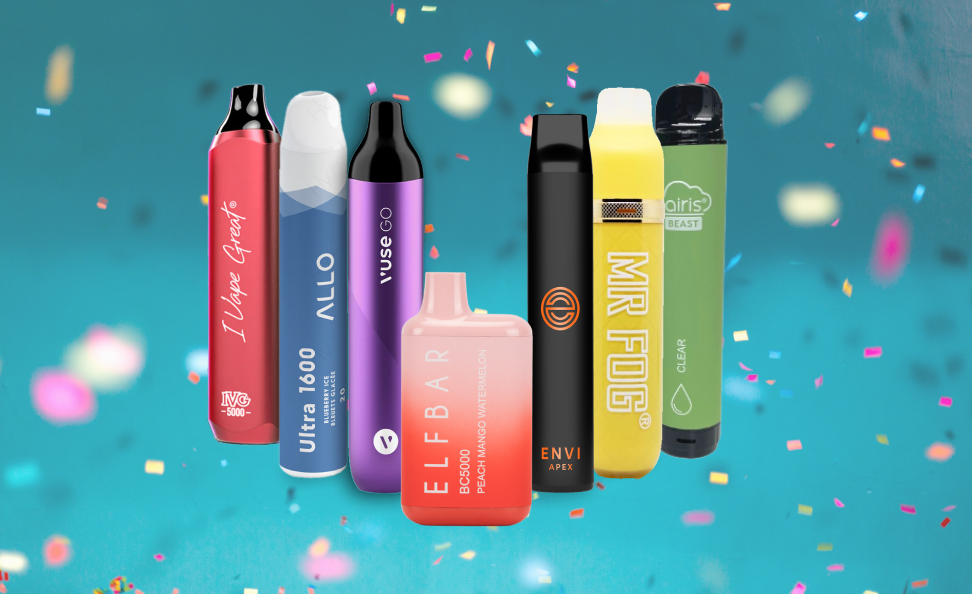
Brands and retailers often highlight quality assurance, product variety, and authenticity. For example, DUDETHAILAND emphasizes a wide selection of products suitable for both beginners and experienced users. Their offerings include pods, disposable e-cigarettes, and other devices that are inspected for quality and popular both locally and internationally. Many also promote services such as บุหรี่ไฟฟ้าใกล้ฉัน and บุหรี่ไฟฟ้า ส่งไลน์แมนใกล้ฉัน, focusing on fast and convenient delivery options. Promotional pricing and discounts are also common in this competitive market.
Conclusion: The Science Behind Every Puff
The chemistry behind e-cigarette liquids is a complex combination of organic chemistry, thermodynamics, and materials science. From the molecular structure of nicotine to the heat-driven vaporization of PG and VG, every aspect is carefully engineered to produce a controlled inhalation experience.
Flavor compounds, device interactions, and thermal stability all contribute to how the final aerosol behaves. While vaping avoids combustion, it still involves chemical transformations that require ongoing scientific study to fully understand.