
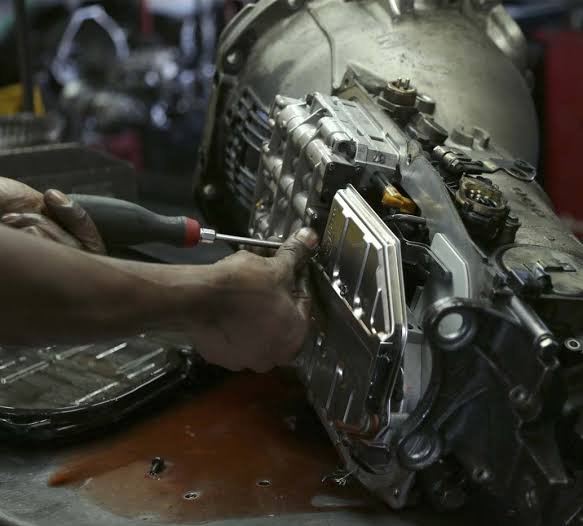
A vehicle’s transmission plays a crucial role in transferring engine power to the wheels and allowing the vehicle to change gears smoothly. When transmission problems develop, driving can become difficult, uncomfortable, or unsafe. Whether you drive a manual or automatic vehicle, recognizing transmission issues early and finding a reliable repair facility can help you avoid unnecessary expenses. If you are searching online for transmission replacement near me, it is important to compare local shops carefully before making a decision.
Choosing the right transmission specialist involves more than finding the lowest price or the closest location. Experience, repair quality, warranties, customer service, and diagnostic capabilities all influence the outcome. Understanding these factors will help you select a shop that meets your vehicle’s needs and provides dependable service.
1. Look for Experience and Specialized Knowledge
Transmission systems contain numerous mechanical, hydraulic, and electronic components that must work together correctly. Diagnosing and repairing these systems requires specialized knowledge, appropriate tools, and practical experience.
Before selecting a transmission replacement shop, find out how long the business has been providing transmission services and whether its technicians regularly work on vehicles similar to yours. Some repair facilities focus on general automotive maintenance, while others specialize in transmission diagnostics, rebuilding, and replacement.
A qualified specialist should understand the differences between automatic, manual, continuously variable transmission (CVT), and dual-clutch transmission systems. This knowledge helps technicians identify the cause of a problem and recommend an appropriate solution.
Ask whether the shop has experience with your vehicle’s make, model, and transmission type. Specialized experience can be especially valuable when dealing with newer vehicles that use sophisticated electronic controls.
2. Confirm That Replacement Is Actually Necessary
Transmission replacement can be expensive, so an accurate diagnosis should always come before a major repair decision. Symptoms such as slipping gears, delayed engagement, unusual noises, fluid leaks, or difficulty shifting may indicate transmission trouble. However, these symptoms do not always mean the entire transmission must be replaced.
Problems with sensors, electrical connections, transmission fluid, solenoids, or other components can sometimes create similar symptoms. A professional technician should inspect the vehicle and perform the necessary diagnostic tests before recommending a replacement.
When searching for transmission replacement near me, choose a shop that explains its findings instead of immediately suggesting the most expensive repair.
Request a clear explanation of the problem and ask whether repair, rebuilding, or replacement would be the most practical option. A trustworthy technician should explain the advantages and limitations of each approach so you can make an informed decision.
3. Compare Replacement Options and Overall Costs
Transmission replacement is not a one-size-fits-all service. Depending on the vehicle and the condition of the existing unit, a shop may offer several options.
New Transmissions
A new transmission may provide a suitable solution for certain vehicles, particularly when long-term reliability is a priority. However, the cost can be higher than other alternatives, and availability depends on the vehicle’s specifications.
Remanufactured Transmissions
A remanufactured transmission has been disassembled, inspected, and rebuilt according to an established process. Worn components are replaced, and the unit is tested to meet applicable specifications. This option may offer a balance between cost and reliability when supplied by a reputable manufacturer.
Used Transmissions
A used transmission comes from another vehicle. It may cost less initially, but its previous maintenance history and remaining service life can be uncertain. Ask about mileage, inspection procedures, testing, and warranty coverage before choosing this option.
Rebuilt Transmissions
A rebuilt transmission is repaired by replacing damaged or worn components as needed. The quality of the result depends on the parts used, the technician’s expertise, and the rebuilding process.
Request written estimates for the available options. Compare the transmission unit, labor, fluids, additional components, diagnostic charges, and any related services. The lowest quote is not always the best value if it excludes essential work or provides limited warranty protection.
4. Check Customer Reviews and Reputation
Online reviews can provide useful information about a transmission shop’s reliability, professionalism, and customer service. Look at several review platforms rather than relying on a single rating.
Pay attention to comments about repair accuracy, communication, pricing transparency, turnaround times, and how the business handles complaints. Reviews that describe specific experiences may be more helpful than short comments that provide little detail.
Look for consistent patterns. For example, repeated complaints about unexpected charges or unresolved transmission problems may indicate issues worth investigating. Positive feedback about clear explanations, accurate estimates, and dependable repairs can help you identify promising businesses.
You can also ask friends, relatives, or coworkers whether they have used a local transmission specialist. Personal recommendations can provide additional context that online ratings may not capture.
5. Ask About Warranty Coverage
Warranty protection is an important factor when comparing transmission replacement services. Because the repair can involve significant costs, you should understand what happens if the replacement unit develops a problem after installation.
Ask whether the warranty covers parts, labor, or both. Find out how long the coverage lasts, whether there are mileage limits, and what conditions might invalidate it. If the shop installs a used or remanufactured transmission, ask whether its warranty differs from the coverage provided for a new unit.
You should also clarify whether warranty repairs must be completed at the original shop or an approved facility.
Request the warranty terms in writing before authorizing the work. A clear written agreement helps prevent misunderstandings and gives you a reliable reference if a problem develops later.
6. Evaluate Communication and Customer Service
Good communication makes a complicated repair process easier to understand. A professional transmission shop should explain the diagnosis, discuss available solutions, provide an estimated completion date, and answer your questions patiently.
Before approving the replacement, ask who will contact you if additional problems are discovered during installation. You should also know whether the shop will obtain your permission before performing work that increases the original estimate.
Clear communication is particularly important when a repair involves additional components, such as mounts, seals, sensors, or cooling-system connections.
Be cautious if a shop refuses to explain its recommendations, pressures you into making an immediate decision, or avoids providing a written estimate. A dependable service provider should give you enough information to evaluate the repair without unnecessary pressure.
7. Consider Equipment, Parts Quality, and Testing
Modern transmissions often rely on electronic control modules, sensors, and precise operating specifications. Proper replacement therefore involves more than removing the old unit and installing another one.
Ask whether the shop has appropriate diagnostic equipment and follows the manufacturer’s relevant installation procedures. Depending on the vehicle, the replacement may require electronic programming, adaptation, calibration, or additional system checks.
The quality of replacement parts also matters. Confirm the source of the transmission and ask whether the shop uses reputable suppliers. If additional parts are needed, request an explanation of their purpose and cost.
After installation, the technician should perform the necessary inspections and operational tests. These may include checking fluid levels, inspecting for leaks, verifying gear engagement, and confirming that electronic systems function correctly.
Proper testing helps identify installation-related problems before the vehicle is returned to regular use.
8. Compare Location, Convenience, and Turnaround Time
Searching for transmission replacement near me can help you identify repair facilities within a convenient distance. However, proximity should be only one part of your decision.
Consider whether the shop offers towing arrangements, appointment scheduling, transportation assistance, or updates during the repair process. These services may be useful if your vehicle cannot be driven safely.
Ask how long the replacement is expected to take. The timeline may depend on parts availability, the complexity of the vehicle, the shop’s workload, and whether additional repairs are required.
Be cautious about promises of unusually fast completion before the technician has inspected your vehicle. A realistic estimate is generally more useful than a guarantee that ignores possible complications.
If your transmission is slipping severely, making unusual noises, or preventing safe gear engagement, avoid continuing to drive the vehicle. Arrange professional assistance or towing when necessary.
9. Understand the Written Estimate Before Approving Repairs
A detailed estimate allows you to understand exactly what you are paying for. It should identify the recommended transmission, labor charges, parts, fluids, applicable fees, and warranty details.
Ask whether the estimate is fixed or may change after further inspection. If additional work becomes necessary, the shop should explain the reason and obtain your approval before proceeding.
It is also helpful to ask whether the replacement includes related services, such as replacing a filter, inspecting the transmission cooler, or addressing contaminated fluid. The appropriate work will depend on the vehicle and the manufacturer’s recommendations.
Keep copies of the estimate, invoice, warranty documents, and any diagnostic information provided by the shop. These records can be useful for future maintenance and warranty claims.
10. Ask the Right Questions Before Making Your Final Choice
Before selecting a transmission replacement provider, prepare a short list of questions to help you compare your options.
Consider asking:
- What tests confirmed that transmission replacement is necessary?
- Is repair or rebuilding a reasonable alternative?
- Is the replacement unit new, used, rebuilt, or remanufactured?
- What is included in the total estimate?
- Does the warranty cover both parts and labor?
- How long is the repair expected to take?
- What testing will be completed after installation?
- Will I receive written documentation of the work?
The answers can help you evaluate each shop’s professionalism, transparency, and technical capabilities.
Conclusion
Finding a dependable transmission replacement service requires careful research and a clear understanding of your vehicle’s needs. Experience, accurate diagnostics, replacement options, transparent pricing, warranty coverage, customer reviews, and proper installation procedures should all influence your decision.
When searching for transmission replacement near me, avoid choosing a shop based solely on distance or price. Instead, compare qualified providers, request detailed written estimates, and ask questions until you understand the recommended work.
A reliable transmission specialist will explain the problem, discuss suitable solutions, and provide clear information about costs and warranty terms. Taking time to evaluate these factors can help you make a confident decision, protect your investment, and keep your vehicle operating as reliably as possible.